
IEC 62443-4-1: Your Strategic Gateway to EU CRA Compliance
The European Union's Cyber Resilience Act (CRA) is changing the landscape for all manufacturers placing products with digital elements on the EU market. For product security teams, the CRA is not just a checklist; it's a legal mandate to embed security across the entire product lifecycle.
The good news? If you're operating in the Industrial IoT (IIoT) or Operational Technology (OT) space, the internationally recognized standard, IEC 62443-4-1: Secure product development lifecycle requirements, offers a powerful and mature framework that can significantly streamline your journey to CRA compliance.
How IEC 62443-4-1 Aligns with the CRA
IEC 62443-4-1 focuses on the processes and practices for a secure development lifecycle (SDL). This process-centric approach aligns perfectly with the CRA's foundational principle of Security by Design and Default.
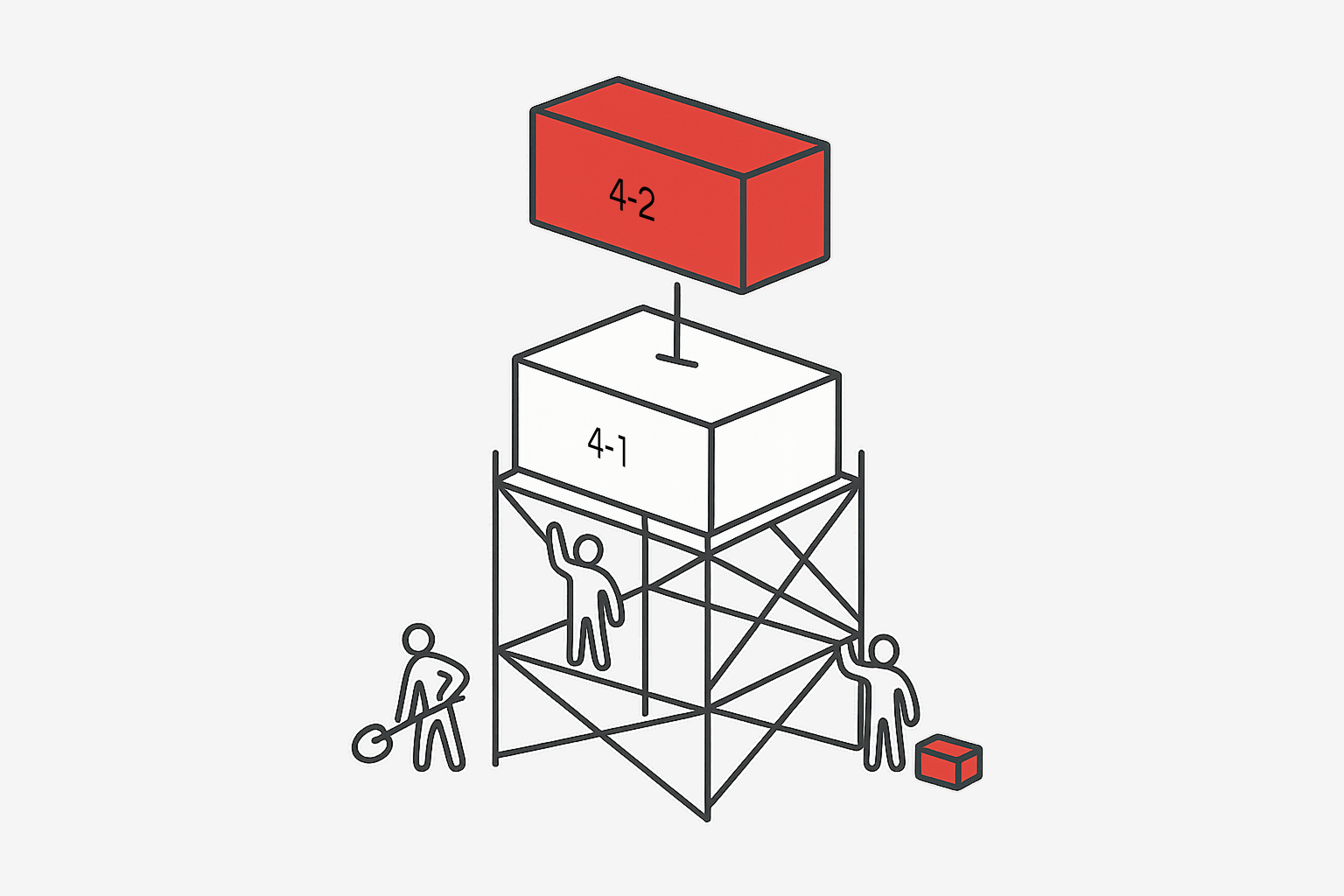
CRA Requirements Covered by IEC 62443-4-1
IEC 62443-4-1's requirements map strongly to the core pre-market and design-phase obligations of the CRA.
| CRA Essential Requirement | IEC 62443-4-1 Coverage | Key Benefits for CRA Compliance |
|---|---|---|
| Secure by Design & Development | The entire standard defines the Secure Development Lifecycle (SDL) requirements, including security planning, design, and implementation. | Provides a structured, auditable process to demonstrate security is integral to the product from inception. |
| Risk Assessment | Requires threat modeling and risk assessment as an essential part of the design phase. | Directly addresses the CRA's mandate to assess cybersecurity risks before placing a product on the market. |
| Vulnerability Identification | Mandates security testing activities like vulnerability scanning and penetration testing before product release. | Ensures the product is made available without known exploitable vulnerabilities a key initial requirement of the CRA. |
| Vulnerability Handling | Includes requirements for a defect management process (DM), including addressing security-related issues. | Establishes the foundational internal process for managing and mitigating security weaknesses discovered during development. |
| Transparency & Documentation (Partial) | Requires the production of various documentation, such as product security guidelines and hardening instructions in manuals. | Contributes significant evidence towards the CRA's technical documentation and instructions for the user. |
By achieving conformance with IEC 62443-4-1, your team establishes a mature and repeatable process for embedding security, which is the most critical step in meeting the CRA's pre-market requirements.
CRA Requirements Not Fully Covered by IEC 62443-4-1
While 4-1 is a powerful starting point, it focuses on the process of development. The CRA is an end-to-end regulatory framework and extends into post-market obligations, documentation, and specific technical features that 4-1 does not fully address:
1. Technical Product Capabilities (Covered by other standards)
IEC 62443-4-1 defines the process to build a secure product, but it does not specify the necessary technical security features of the product itself.
The Gap: Requirements like secure configuration, communication integrity/confidentiality (encryption), access control, and update integrity are detailed for example in IEC 62443-4-2: Technical security requirements for IACS components.
Action for Compliance: To meet the CRA's technical product requirements, you must adopt for example IEC 62443-4-2 alongside 4-1. Also, cloud solutions and mobile applications that control the devices with digital elements are out of scope of IEC 62443-4-2, but are within scope of CRA.
2. Post-Market Obligations & Reporting
The CRA is a regulation that applies throughout the entire product lifecycle, demanding manufacturer responsibility long after shipment.
The Gap: IEC 62443-4-1 does not include the legally binding requirements for:
Mandatory Security Support Time: The CRA mandates a minimum support period (e.g., 5 years, or the expected product lifetime).
Reporting to ENISA/CSIRTs: The CRA requires mandatory reporting of actively exploited vulnerabilities and severe incidents to the EU Agency for Cybersecurity (ENISA) and national CSIRTs within 24 hours.
Action for Compliance: Security Officers must implement dedicated organizational and legal processes to manage mandatory reporting obligations and define and commit to the product's security support lifespan.
3. Formal Documentation & Conformity Assessment
The CRA requires specific legal documentation for market access.
The Gap: IEC 62443-4-1 requires technical security documentation, but it does not specify the CRA's official legal and compliance paperwork:
EU Declaration of Conformity: A legally required document stating compliance with the CRA.
Technical Documentation (CRA Annexes): Comprehensive documentation required for conformity assessment and potential market surveillance.
Software Bill of Materials (SBOM): While good security practice is included in 4-1, the CRA emphasizes the need to draw up and archive an SBOM.
Action for Compliance: Your compliance team must map your 4-1-generated documentation to the CRA's specific Annex requirements and create the necessary legal conformity declarations.
Strategic Takeaway for Product Security Teams
Don't wait for the harmonised standards. By strategically leveraging the IEC 62443 series, particularly 4-1 (Secure Development Process) and 4-2 (Technical Product Features), you can establish an industry-leading cybersecurity posture that covers the vast majority of the CRA's essential requirements.
Start today by performing a gap assessment: Map your current Secure Development Lifecycle (as per IEC 62443-4-1) against the CRA's essential requirements. This proactive approach will help you identify the missing post-market processes and legal documentation needs well before the regulation's full enforcement date in December 2027. And start testing your products’ compliance.
